Showing posts with label miele. Show all posts

Monday, 12 December 2016

Campagna Amica in Altamura

La settimana scorsa ho conosciuto Giovanni Ragone della Coldiretti in Altamura.


Ero andato in sede per informarmi sugli strumenti disponibili per chi, come me, ama la terra e vorrebbe vivere dei suoi frutti.

"Sai Giovanni" gli dico "seguo con estrema attenzione le campagne Coldiretti di azione diretta contro le importazioni di cibi esteri di dubbia qualità a discapito delle produzione italiane. Pertanto tienimi aggiornato su eventuali eventi da voi promossi".

Giovanni mi risponde: "Se vuoi puoi venire a trovarci domenica 11 dicembre, festa del ringraziamento, in occasione della quale si terrà un sit-in di Campagna Amica, con stands di produttori locali".

Quale occasione migliore per conoscere da vicino questa realtà, e documentarne le dinamiche, le storie, le passioni?


Mi imbatto in Giovanni Petruzzi e Giovanni Pugliesi dell'azienda agricola "La Buona terra" di Turi.


"Noi produciamo solo frutta ed ortaggi di stagione" esordiscono gli affiatati contadini di Turi,  cittadina famosa per le ciliegie e per aver dato i natali al tarantolato allenatore di calcio Oronzo Pugliese.

"Il futuro appartiene all'agricoltura. La gente dovrà mangiare. Se la campagna gira, gira tutta l'economia" affermano con fede. 

Domenico Ginefra ha una azienda agricola a Santo Spirito, ed un negozio dove rivende i suoi prodotti a Giovinazzo: "I cavolfiori, come tutte le crocifere sono dei fantastici antitumorali. Più son colorati (verdi, violacei), più contengono vitamine".
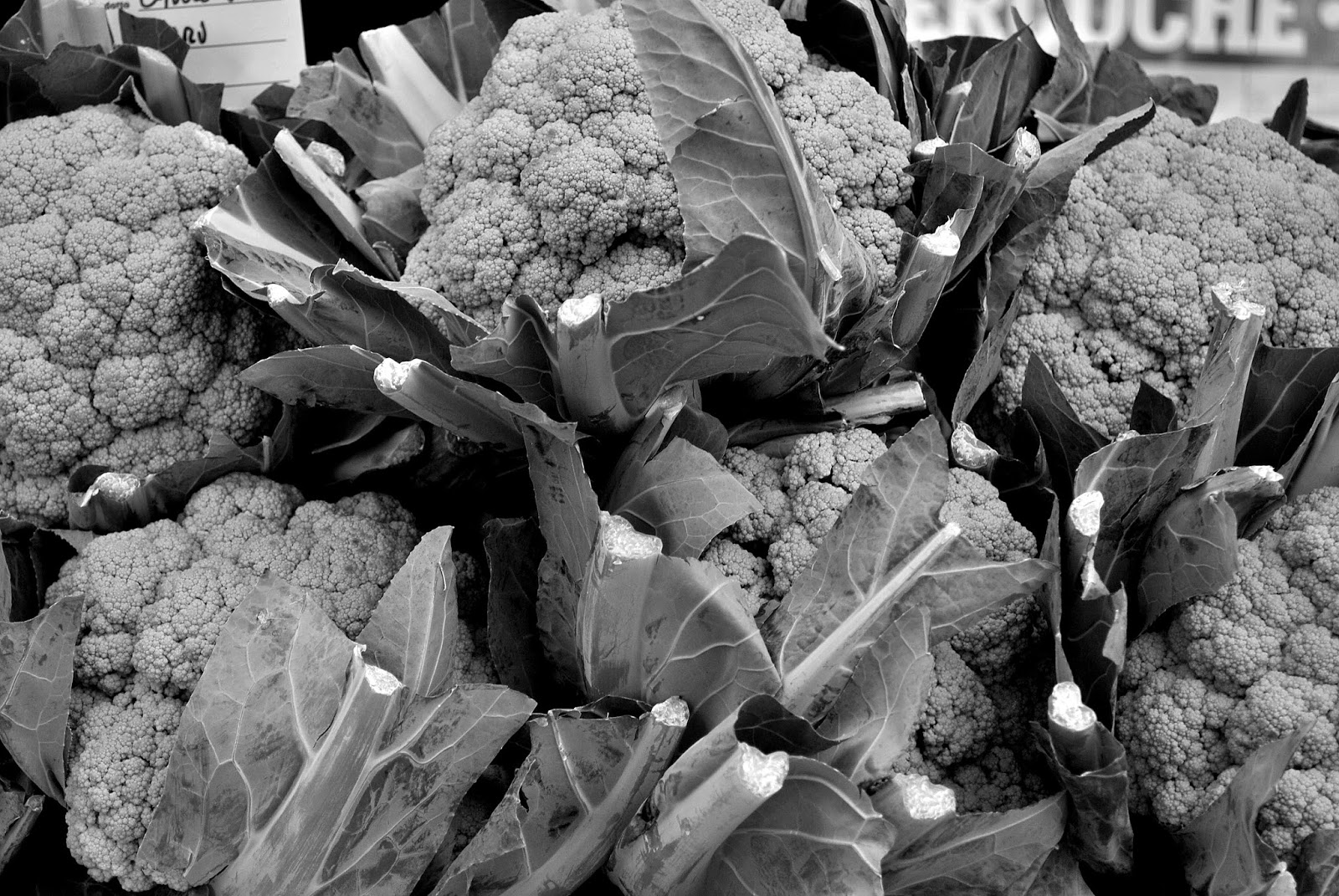


Si respira una bella aria qui. Una aria gioviale. 

Chiedo ad un signore che mi osserva silente: "anche lei fa parte della Coldiretti?" 
"Si" mi risponde. 
"Cosa produce?" Gli domando. 
E Lui: "ho prodotto mia figlia che lavora per Coldiretti". 

Davanti alla chiesa di San Domenico attendono pazienti gli associati Coldiretti. A breve comincia la messa del ringraziamento.

"La Coldiretti ha sempre nutrito un sentimento di profonda religiosità" puntualizza Marino Pilati, direttore provinciale Coldiretti.


Francesco Rella, agricoltore di Grumo e delegato Coldiretti Giovani Impresa spiega come i giovani si stiano sempre più orientando su produzioni biologiche.


Tra i vari stands c'è l'azienda agricola Tafuni, specializzata nella produzione di legumi, olio extravergine, mandorle e grano. 

Ho assaggiato la loro pasta fatta di semola di grano duro e posso testimoniarne l'eccezionale qualità. 

Vito Tafuni, amministratore della medesima azienda, mi spiega: "il nostro grano non contiene glisofati ne' microtossine. Il nostro clima asciuga il grano, a differenza di paesi come il Canada (da cui importiamo grandi quantità) che trebbiano con climi
ben più rigidi e son costretti ad usare quello che noi chiamiamo 'u siccatutt".


L'intolleranza al glutine (celiachia) sta diventando una malattia di massa qui in Italia.

Qualche nesso con la violenza che facciamo al cibo che mangiamo ci sarà pure.

Roberto Anzivino, apicoltore di Orsara di Puglia (Monti Dauni) centra il nocciolo della questione: "Noi consumatori abbiamo delle forti responsabilità. Siam disposti a spendere 200 euri per un paio di scarpe, ma non più di un pugno di euri per 1 kg. di miele del supermercato che in realtà di miele italiano ha ben poco."


Sarebbe il caso che cominciassimo a chiederci che cosa vuol dire dieta mediterranea, perché l'abbiamo abbandonata ed in nome di cosa.

Il cibo può essere la medicina od il veleno del nostro corpo. 

Sta a te scegliere!


Friday, 22 May 2015

God bless the bees

Last weekend I have completed a basic course on beekeeping.


The world of bees is so fascinating as well as sophisticated.


The course has been held by an enlightened beekeeper based in Mesagne. Stanislao is his name.


“The Italian bees are named ligustica. In terms of production of honey, they are considered the best”. He says.

Bees are divided in queen bee, workers and drones.

 “Bees follow the queen bee when it undertakes, once in its life, the nuptial flight, which lasts 15 days”. Stanislao continues.

Then, there are bee workers, which produce honey, propolis, pollen, and last but not least, royal food.

Finally, there are drones, male bees whom main task is to fertilise the queen bee.drones

“Bees are the guardians of ecosystem. Trees and flowers need them so much”.


Bees arrived on earth 5 millions of years before human beings.

Queen bee lives 5 years and its role is to procreate.

On the other hand, worker bees live just 45 days.

Bees have arranged a complex social structure, where worker bees take the most important decisions.

In other words, worker bees decide if a new queen bee is required. Or alternatively, if more drones are needed.

Unfortunately, a scourge is tremendously affecting bees.

Pollution and pesticide have killed, on worldwide basis, the 70/80% of them.

In order to produce honey, bees eat nectar, then, throw it out, then, other bees eat it again, then, throw it out. The longer the chain is, the better honey is.


Honey needs to be dehydrated in order to last long. Bees perform this task by beating wings. When honey contains just 18% of water, then it may be considered ripe.

Apitherapy is a natural medicine approach. Even the poison of bees is considered healthy for humans.

Bees prefer to drink stagnant water because it’s more alkaline.

When bees realise that they are going to die, they leave the beehive, avoiding so to jeopardise life within it.

Stanislao warns about the varroa, a parassite which makes bees weak.


In order to get rid of varroa, Stanislao feeds bees with a homemade syrup which contains lemon juice, sugar and salt.

Lemon juice make bees stronger, so that they are capable of fighting the mite.


The beekeeping course has been attended by around 20 people.

Few of them already carry out beekeeping.

Many others see in beekeeping an opportunity to run a new business.

Donato from Taranto is looking for some land to cultivate, and eventually carry out beekeeping. 

“Have you heard about genuino clandestino?” he asks. “this is a movement of people whom aim is to cultivate soil in a sustainable way, without using pesticide and so on. In Taranto, this movement is growing fastly”.

Then, there is Alessandro. He comes from Milan, however his parents were born in Polignano, then, moved to Milan.


“I want to quit Milan. I don’t bear cities anymore. I’d love to come back in Apulia and run a business in beekeeping” He says.


Finally, there is Maurizio from Lecce. He says: “It’s hard to be 57 years, and realise that you have to start again.” As far as I understood, he has lost his job.

Crisis is making people realising that another world is possible.